
Are you looking for a high-precision temperature sensor for your electronics projects? The MAX6675 K-Type Temperature Sensor is an excellent choice for anyone needing to measure temperatures accurately using a K-type thermocouple. Whether you're building a robotics system, monitoring industrial temperature systems, or creating a DIY electronics project, the MAX6675 is versatile and reliable.
rnIn this blog, we'll discuss the MAX6675 K-Type Temperature Sensor and how you can easily buy it online in India from Electroboat, your one-stop online store for electronic components. We'll also cover various aspects of the sensor, including its features, specifications, applications, and benefits.
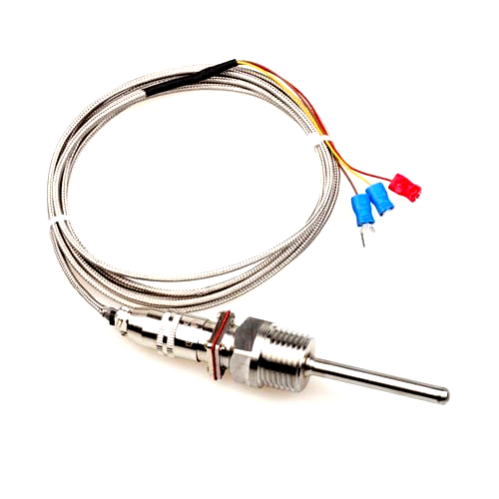
rnThe MAX6675 K-Type Temperature Sensor is a high-precision thermocouple-to-digital converter designed to provide accurate temperature measurements. It uses the K-type thermocouple sensor to measure temperature, and it converts the data into a digital signal that can be easily read by microcontrollers like Arduino, Raspberry Pi, and more.
rnWhether you’re building a temperature-controlled system, weather station, or need a high-temperature sensor for industrial applications, the MAX6675 K-Type Temperature Sensor is a great choice.
rnElectroboat is one of the most trusted and reliable online electronics component stores in India. We offer a wide variety of electronics components that cater to hobbyists, students, engineers, and professionals. When you buy from us, you are assured of the best prices, genuine products, fast delivery, and customer satisfaction.
rnHere’s why you should choose Electroboat for your MAX6675 K-Type Temperature Sensor:
rnThe MAX6675 K-Type Temperature Sensor is a versatile tool that can be used in a variety of electronics projects. Here are a few common applications where this sensor can be beneficial:
rnIf you're working on Arduino projects that require temperature measurements, the MAX6675 sensor is the perfect fit. It can be easily integrated with Arduino boards, such as the Arduino Uno or Arduino Nano, to build temperature monitoring systems, temperature-controlled fans, and more.
rnThe MAX6675 K-Type Temperature Sensor is perfect for industrial systems that require precise temperature monitoring. It can be used in HVAC systems, manufacturing processes, furnaces, and temperature-sensitive equipment where accurate temperature measurement is crucial.
rnFor robotics enthusiasts or engineers working on automation, the MAX6675 sensor can be used to measure the temperature of motors, power supplies, or heat-sensitive components. Temperature-controlled robots or autonomous vehicles can benefit from integrating the MAX6675 sensor to ensure that overheating issues are detected and resolved quickly.
rnThe MAX6675 can be used in weather station projects to monitor ambient temperature. When paired with a K-type thermocouple, it can measure the temperature of the environment, making it an ideal choice for outdoor temperature sensing.
rnWith the rise of IoT-based projects and home automation, the MAX6675 sensor can be integrated into systems that require temperature regulation. For example, it can control the temperature of air conditioners, heaters, or smart thermostats.
rnThe MAX6675 K-Type Temperature Sensor is widely used in scientific applications where precise temperature measurements are necessary. It can be used in laboratories, testing environments, or other scientific fields where temperature data is critical.
rnIf you're interested in tracking temperature over time, the MAX6675 can be used in temperature data logging projects. You can store the data for further analysis or display it in real-time on an LCD or through a web interface.
rnHere are a few reasons why you should choose the MAX6675 K-Type Temperature Sensor for your next electronics project:
rnThe MAX6675 sensor is very easy to interface with Arduino. Here’s a simple guide on how to do it:
rnConnect the MAX6675 to Arduino:
rnInstall Libraries:
rnWrite Code:
rnTest:
rnWith this simple setup, you can start using the MAX6675 sensor for various temperature measurement projects.
rn